The ultimate guide to dog poop removal: Keeping your yard clean and healthy
Key Takeaways
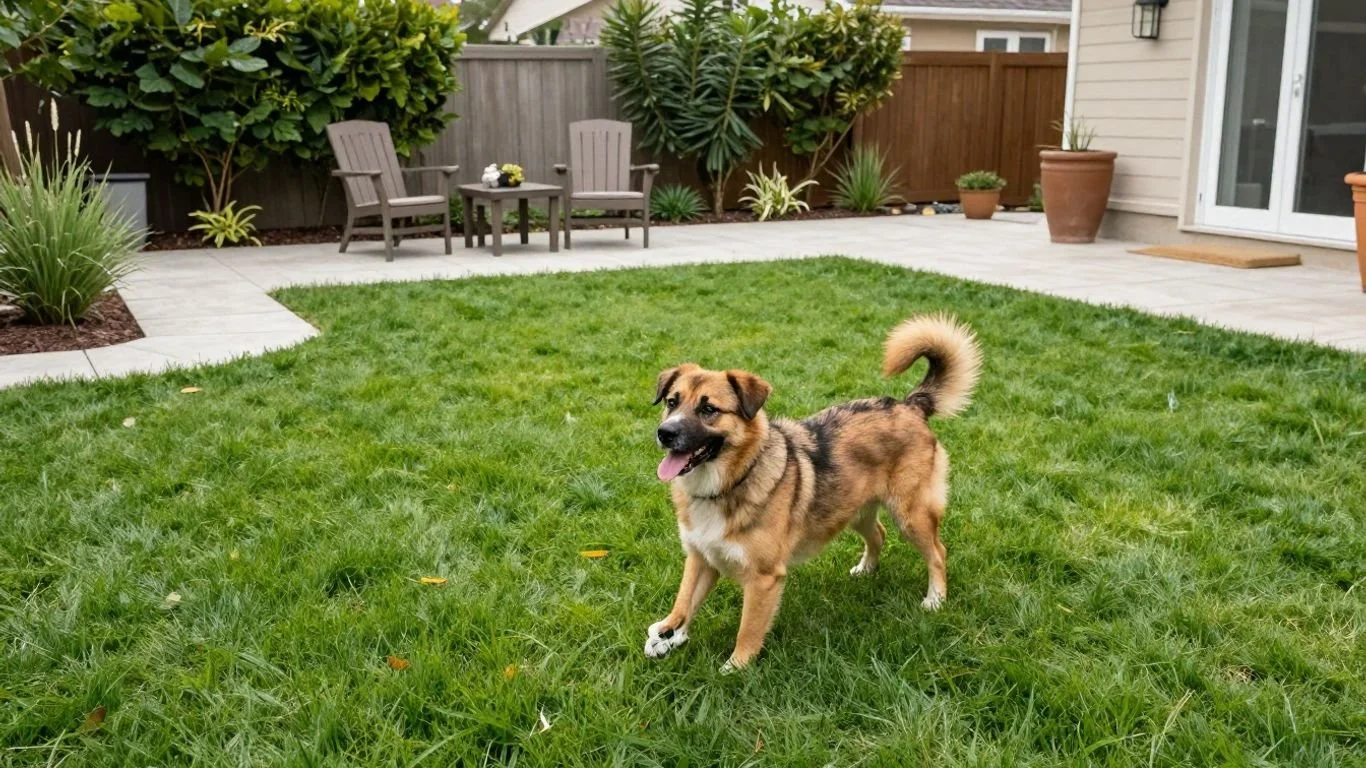
Maintaining a clean, sanitary outdoor space is essential for pet health and neighborhood harmony. Consistent management of waste prevents the buildup of pathogens, protects local waterways, and ensures your backyard remains an enjoyable environment for the whole family.
- Regular cleanup schedules break the life cycle of common parasites and bacteria.
- Proper equipment like rakes and trays saves time and improves sanitation.
- Hiring a service provides a reliable solution for busy or physically limited homeowners.
- Local municipal bylaws often dictate specific, mandatory waste disposal compliance.
- Integrated landscaping tasks help maintain curb appeal and prevent long-term lawn damage.
Why professional dog poop removal matters
Managing pet waste is more than an aesthetic preference; it is a fundamental aspect of responsible guardianship. When dog feces accumulate, they create an unhealthy environment that compromises the safety of both humans and animals. Professionals understand that professional dog waste removal is a necessity for keeping your backyard a clean, safe sanctuary all year long.
Environmental impact of pet waste
Pet waste is not a natural fertilizer, contrary to popular belief. In fact, it is highly acidic and can cause significant damage to your lawn. When left to decompose, it can also release harmful pathogens into the soil and, through runoff, lead to the contamination of local waterways. Proper removal is essential for managing your backyard sanitization effectively.
Controlling backyard parasites and diseases
Dog waste serves as a breeding ground for harmful organisms that thrive in the soil. Without consistent cleanup, you risk exposing your pets to dangerous pathogens that re-infect your animals and create a cycle of illness. Using Scoop Dog's guide to preventing ticks and various internal parasites can help you break the infection chain and safeguard the health of your household.
Legal requirements and homeowner association regulations
Many municipal areas have strict laws regarding pet waste that mandate immediate cleanup. Failing to comply with these rules can result in costly fines or disputes with neighbors and homeowners associations. Staying informed about your local neighborhood standards ensures that you maintain a positive footprint while keeping your outdoor space in full compliance with city health guidelines.
Essential tools for effective diy pet waste disposal
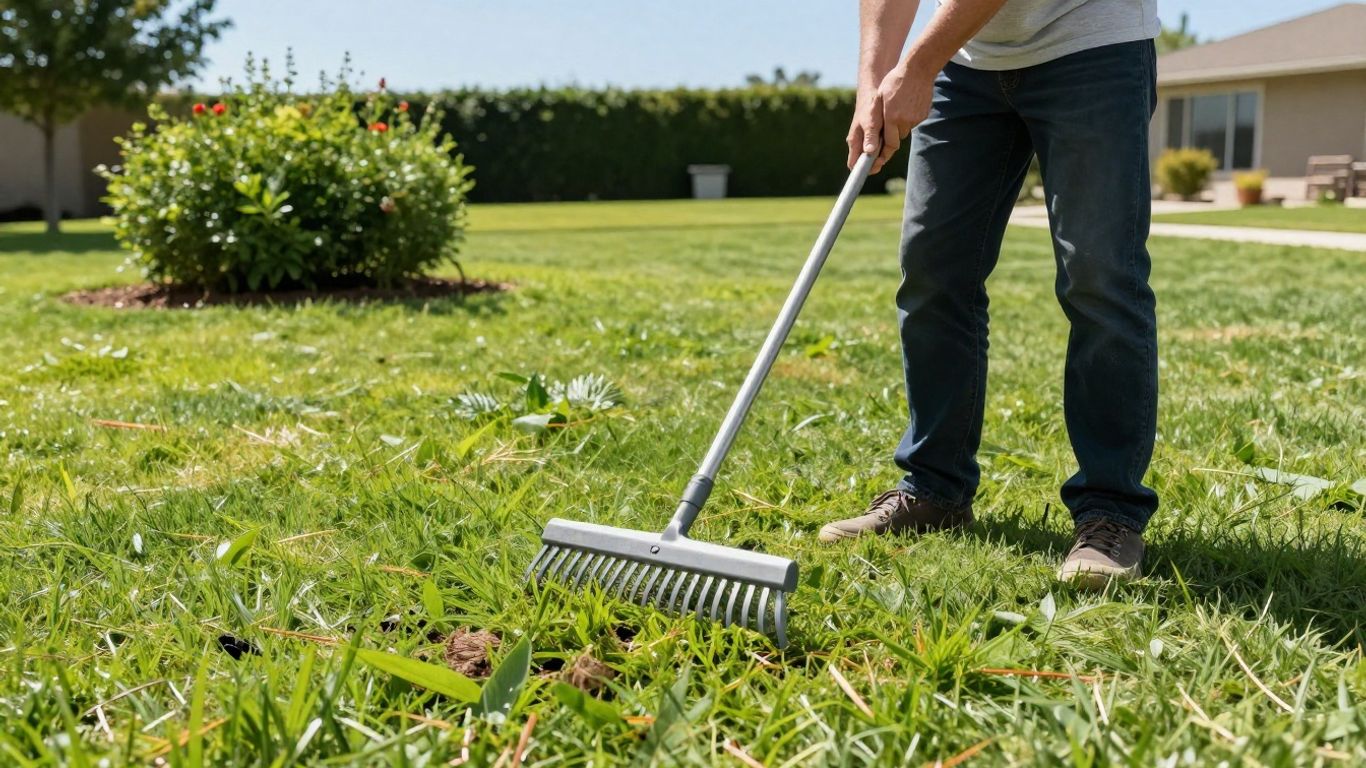
Equipping yourself with the right tools makes the chore of managing yard waste significantly less daunting. A systematic approach ensures that you catch every bit of waste, preventing buildup that attracts unwanted pests. Investing in high-quality gear turns a tedious task into a quick, manageable routine that fits into your daily schedule.
Choosing the right rake and tray system
Using specialized rakes and trays allows you to clear your lawn without constant bending and straining. This method is much cleaner than using small handheld bags alone, as it minimizes physical contact with debris. Look for lightweight but durable materials that can handle different grass lengths and weather conditions, ensuring you can keep things tidy year-round.
Selecting reliable biodegradable waste bags
When disposing of waste, always prioritize environmentally conscious choices like biodegradable bags. These items are designed to break down more effectively than conventional plastic alternatives, reducing the long-term impact of your pet's waste.
| Item Type | Key Benefit | Recommended Use |
|---|---|---|
| Metal Rake | Durability | Thick, overgrown grass |
| Tray System | Minimal Reach | Daily maintenance |
| Biodegradable Bags | Eco-Friendly | Final storage in bin |
Selecting the right bags is a simple step, yet it is crucial for maintaining environmental responsibility in your daily routine. By choosing high-quality materials, you ensure that your cleanup efforts are as sustainable as possible.
Sanitation solutions for disinfecting surfaces
Accidental spills or residual waste residue on patio stones can create odors and bacteria clusters. Utilizing appropriate disinfecting solutions helps neutralize these surfaces, ensuring that areas where your family and pets walk remain truly sanitary. A quick rinse or mop with a pet-safe cleaner goes a long way in keeping your outdoor living spaces fresh.
How to set up an efficient pet waste removal schedule
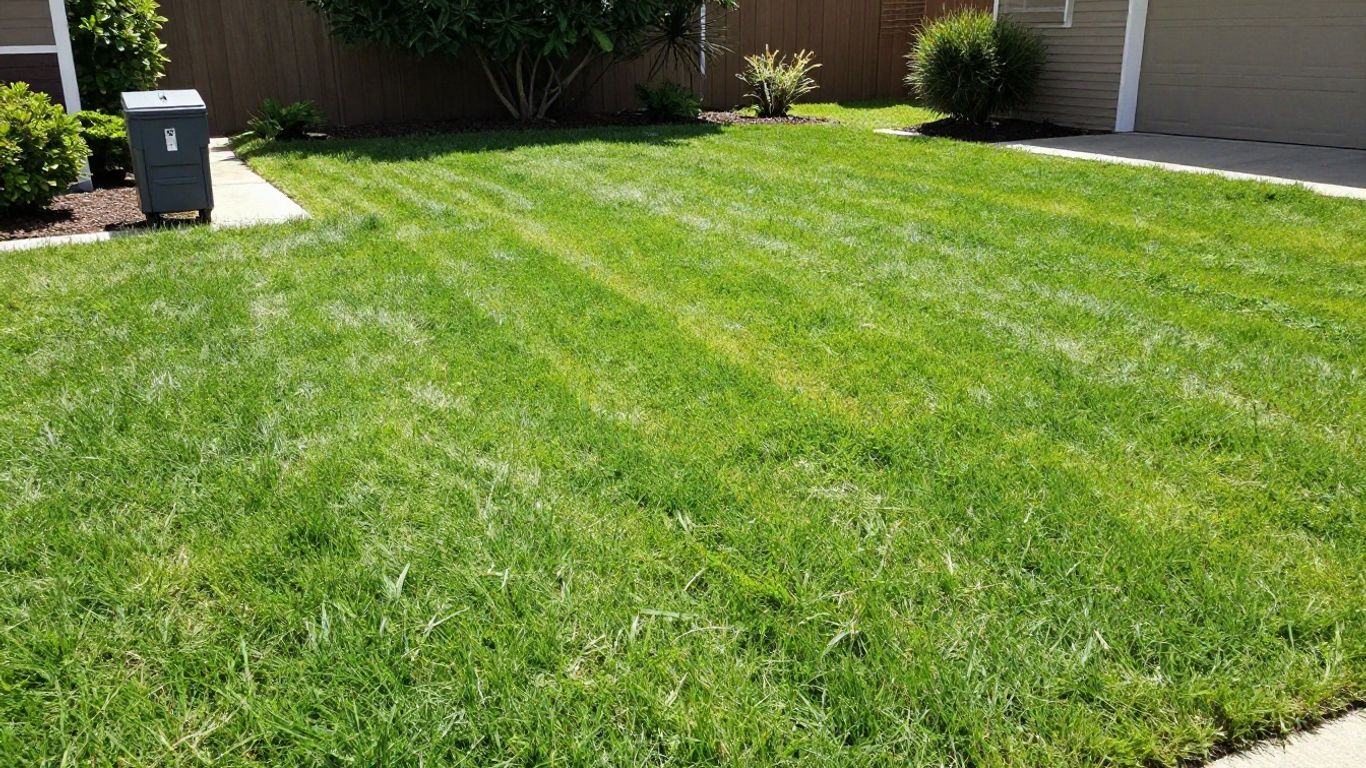
Consistency is the bedrock of a tidy yard, yet it is often the hardest part to maintain. By creating a schedule that aligns with your household needs, you remove the guesswork and stress from the process. Whether you manage it yourself or choose to hire a professional scoop service, predictability saves you time and keeps your lawn in top shape.
Calculating waste accumulation based on breed size
Larger dogs naturally produce more waste, meaning your yard will require more frequent attention to stay clean. Tracking the volume of waste generated on a weekly basis helps you determine if a once-a-week visit is sufficient or if you need to double up. Planning for your dog's specific needs ensures your yard never reaches an unmanageable state.
Seasonal considerations for lawn maintenance
Changes in weather significantly impact how quickly waste breaks down and how much it affects your lawn. During rainy seasons, waste can turn into a muddy mess, while in winter, it can freeze to surfaces. Adjusting your frequency during these transitions keeps your yard accessible and smelling fresh regardless of the outdoor temperature.
Integrating waste management with regular landscaping tasks
Pairing your cleanup routine with other chores makes the process flow naturally as part of your weekly maintenance. Many pet owners find that combining professional lawn mowing with waste removal eliminates confusion and ensures both tasks are done before the grass gets too tall. This alignment prevents you from missing hidden waste and makes your outdoor space more aesthetically pleasing.
Evaluating local pooper scooper services
Selecting a service provider is a decision that impacts your property, your pets, and your household routine. You should look for transparency in their operational practices and a clear commitment to customer service. Ensuring that the company is fully insured and reliable helps remove the burden from your shoulders permanently.
Checking insurance and liability coverage
Professionalism begins with safety, and any reputable business should carry adequate liability insurance. This protects both your property and their staff, providing peace of mind during regular site visits. Never hesitate to ask a provider about their policies, as this is a standard practice for any legitimate service operating in your area.
Understanding pricing structures for recurring visits
Most providers offer tiered pricing based on the number of dogs and the size of your yard. Being mindful of these structures helps you budget effectively for long-term service. Clear, upfront pricing without hidden fees suggests a company that values its relationship with clients.
Verifying proper waste disposal methods and ethical practices
Understanding how your hired help processes the waste they remove is a hallmark of an ethical consumer. They should follow local rules strictly, ensuring waste is handled in a way that respects your property and the environment.
- Ensure they bag waste securely.
- Confirm they avoid burying waste on-site.
- Look for providers who respect gate security.
- Prioritize companies with clear professional standards.
Following these simple checks ensures that you are working with a partner who genuinely cares about your neighborhood's cleanliness.
Safe and compliant disposal methods
Disposal is the final, essential step in the cleanup chain that often gets overlooked. Local mandates vary significantly, and it is vital to understand the expectations in your specific municipality. Following these guidelines keeps you on the right side of the law and ensures your local environment remains uncontaminated.
Following local municipal waste bylaws
Every city has unique requirements regarding where pet waste can be discarded. Most municipal waste agencies require that it be bagged properly and tossed into your household trash bin, rather than being discarded in yard waste collections. Always consult your municipal guidelines to stay informed about local changes.
The risks and realities of backyard pet waste composting
While composting food scraps is popular, composting pet waste is a complex and risky endeavor for most homeowners. Pet feces contain parasites that often survive standard home-compost temperatures, meaning they can remain infectious long after the process is finished. It is almost always safer to dispose of this waste through approved municipal channels instead.
Locating specialized animal waste disposal facilities
For those who prefer not to use home trash systems, some regions offer specialized drop-off points for animal waste. These facilities are designed to handle the biological hazards correctly, providing a more robust management solution than standard disposal. Check your local civic website to see if any such specialized sites are available near you.
Conclusion
Ultimately, keeping your yard clean is a manageable task when you break it down into a consistent routine and utilize the right partnerships. By addressing waste issues quickly and professionally, you protect your environment, maintain your lawn health, and provide a safer space for your furry family members to enjoy. Whether through careful home management or by relying on local experts, your efforts create a more pleasant neighborhood and a more hygienic home.
Frequently Asked Questions
How often should I remove dog waste from my yard?
It is generally recommended to remove pet waste at least once a week to prevent the buildup of bacteria and the accumulation of waste that can damage your lawn. Frequent cleanup also ensures you catch parasites before they can contaminate the soil.
Does rain cause pet waste to decompose faster?
Rain does not significantly speed up the decomposition process of pet waste; instead, it often spreads bacteria and contaminants across your lawn. The moisture can carry pathogens from the feces into the soil and potentially into local storm drains.
Can I put dog poop in my home compost pile?
Standard backyard composting is not recommended for dog waste because home piles rarely achieve the internal temperatures required to kill harmful parasites. These pathogens can persist in the finished compost, posing a risk to your garden vegetables and your family.
Are there any specific lawn care items that shouldn't be mixed with waste?
Avoid applying nitrogen-heavy fertilizers over areas where waste has recently been removed, as the combination can lead to chemical imbalances in your soil. Always clear the waste thoroughly before attempting to treat or landscape your lawn.
What should I look for in a waste removal professional?
Look for providers who are fully insured, offer flexible scheduling without restrictive contracts, and provide clear communication about their arrival times. A professional service should prioritize your gate security and pet safety while maintaining consistent, thorough coverage.
Why does my lawn develop brown spots when my dog uses it?
Brown spots occur because dog waste is highly acidic and contains high concentrations of nitrogen that can effectively burn the grass roots. When waste is not removed promptly, it suffocates the grass, leading to the development of dead, brown patches that take time to recover.
How do I deodorize my patio after a cleanup?
To neutralize odors on hard surfaces, use a mild, pet-safe enzymatic cleaner that breaks down the organic compounds causing the smell. A simple soap and water scrub usually suffices for most routine cleanups, focusing on areas where stagnant waste may have left a residue behind.